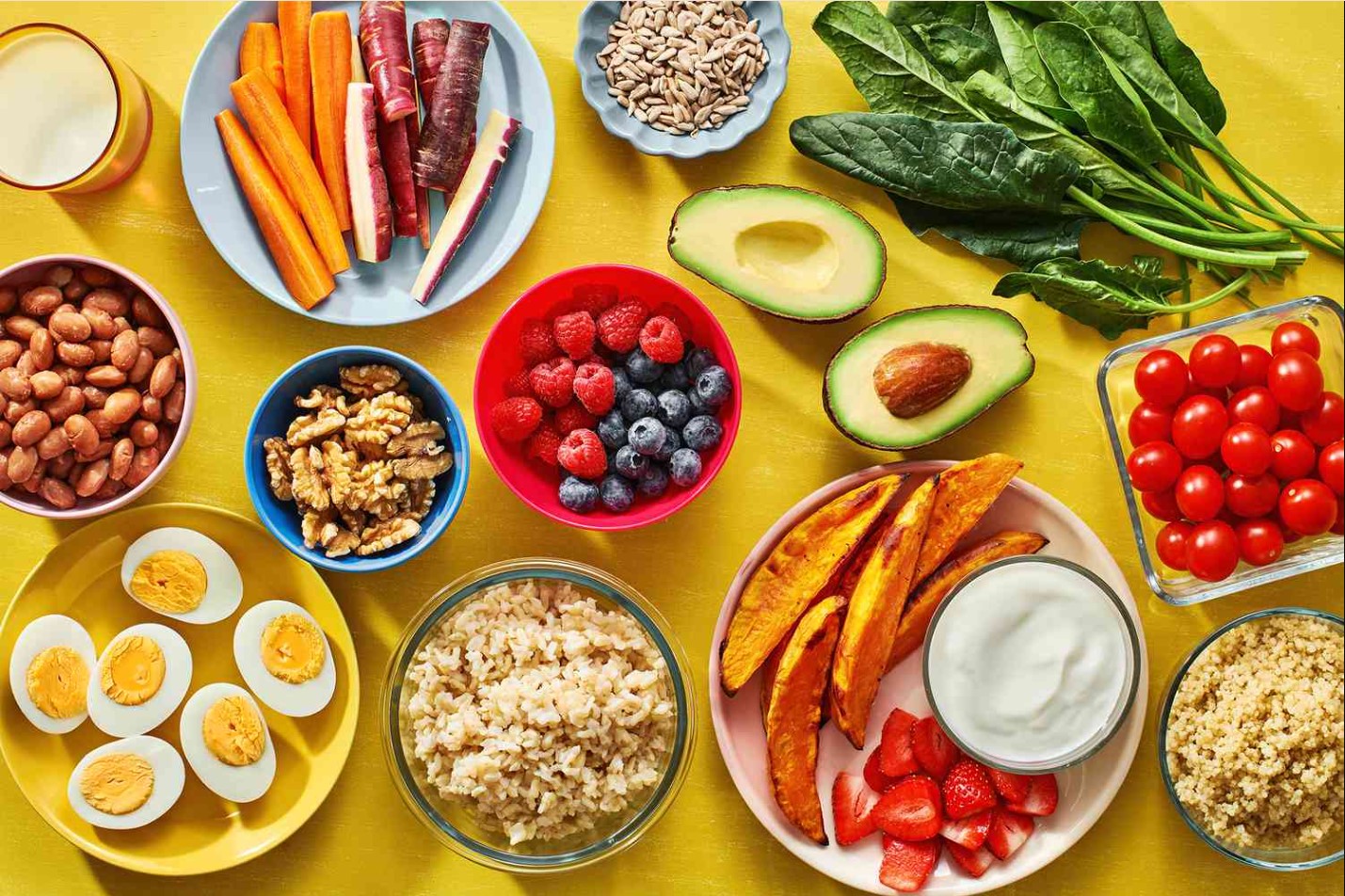
In 2026, the conversation around healthy food has evolved significantly, driven by new dietary guidelines, sustainability concerns, and a strong focus on gut and metabolic wellness. People worldwide are seeking protein rich food options that not only build muscle and support energy but also align with the broader food chain that sustains our planet. This 1510-word article explores these interconnected topics with the latest updates, practical insights, and evidence-based information to help you make informed choices for better health and a healthier Earth.
What Makes Food “Healthy” in 2026?
Healthy food refers to nutrient-dense options that provide essential vitamins, minerals, fiber, and macronutrients while minimizing processed additives, added sugars, and unhealthy fats. As per the latest trends, healthy food emphasizes whole, minimally processed items that promote longevity, gut health, and metabolic balance.
Key 2026 trends highlight fiber as the new superstar alongside protein. “Fibermaxxing” — maximizing fiber intake through beans, whole grains, and vegetables — has surged in popularity because it supports digestion, stabilizes blood sugar, and naturally boosts GLP-1 hormones linked to satiety. Global flavors like fermented Asian pickles, Middle Eastern spice blends, and Latin American bean dishes are making healthy food exciting and accessible. Quick, one-pan meals and snackification (mini, nutrient-packed portions) dominate busy lifestyles.
Benefits of prioritizing healthy food include reduced risk of chronic diseases, improved immunity, better mental clarity, and sustainable weight management. Studies in early 2026 show that diets rich in colorful produce, nuts, seeds, and fermented foods lower inflammation and support brain-gut connections. Avoiding ultra-processed foods remains critical, as new FDA priorities target their links to obesity and other issues.
Incorporating healthy food into daily routines starts with simple swaps: choose fresh over packaged, add herbs and spices for flavor without calories, and focus on variety. In 2026, balanced nutrition has shifted toward personalization — apps and wearables now track individual responses to foods, making healthy food choices more precise than ever.
The Power of Protein-Rich Foods: Why They Matter More Than Ever
Protein rich food forms the cornerstone of modern nutrition. Protein repairs tissues, builds muscle, produces enzymes and hormones, and keeps you full longer. The 2025-2030 Dietary Guidelines for Americans, released in January 2026, mark a historic reset: adults should now aim for 1.2 to 1.6 grams of protein per kilogram of body weight daily — a notable increase from previous 0.8 g/kg recommendations. This supports muscle maintenance, healthy aging, and metabolic health, especially for active individuals or those managing weight with GLP-1 medications.
Top protein rich food sources in 2026 include:
- Edamame and lentils: Plant-based powerhouses offering complete or near-complete amino acids, plus fiber and iron. A cup of cooked lentils delivers about 18g protein.
- Chicken breast and eggs: Lean animal options providing high bioavailability. Eggs remain versatile breakfast heroes with 6g protein each.
- Greek yogurt and skyr: Creamy, probiotic-rich choices with 15-20g protein per serving; full-fat versions are now encouraged in moderation for satiety.
- Salmon and tuna: Omega-3-packed seafood delivering 20-25g protein per 4-oz serving while supporting heart and brain health.
- Beans, chickpeas, tofu, and pumpkin seeds: Affordable, sustainable options ideal for meatless days. Pumpkin seeds offer 9g protein per quarter-cup with magnesium and zinc.
- Rotisserie chicken and lean beef: Convenient, nutrient-dense picks when choosing grass-fed or pasture-raised varieties.
Experts recommend spreading protein rich food across meals — 20-40g per sitting — to optimize absorption. Plant-based eaters can combine sources (e.g., rice and beans) for complete profiles. In 2026, high protein sources from both animal and plant origins are celebrated, though many health organizations still advise limiting red and processed meats in favor of seafood, poultry, and legumes for cardiovascular benefits.
Protein rich food aids weight loss by preserving muscle during calorie deficits and curbing cravings. Athletes and older adults particularly benefit for sarcopenia prevention. Pair protein rich food with fiber-rich veggies for balanced plates that align with 2026’s “purposeful protein” and “fiber-forward” movements.
Decoding the Food Chain: Foundations of Life and Sustainability
The food chain represents the sequential transfer of energy and nutrients through ecosystems — from primary producers (plants and algae that convert sunlight via photosynthesis) to primary consumers (herbivores), secondary consumers (carnivores), and apex predators (top hunters). Decomposers recycle nutrients, closing the loop.
In human contexts, the food chain extends from farm fields and oceans to our plates. Producers like wheat, rice, and leafy greens form the base. Herbivores such as cows or fish become secondary links. Humans sit at or near the top, influencing every level through agriculture, fishing, and consumption patterns.
2026 updates stress the food chain‘s vulnerability to climate change, biodiversity loss, and overexploitation. Food systems contribute roughly 30% of global greenhouse gas emissions. Disruptions like extreme weather affect crop yields, while overfishing threatens marine chains. Sustainable practices — regenerative agriculture, reduced food waste, and localized supply chains — are gaining traction to strengthen the food chain.
Regenerative farming rebuilds soil health, sequesters carbon, and enhances nutrient density in crops. Policies and conferences like Sustainable Foods 2026 promote net-zero goals, healthier diets, and equitable access. Consumers can support a resilient food chain by choosing seasonal, local, and minimally processed options, reducing meat consumption where appropriate, and minimizing waste.
Understanding the food chain reveals why healthy food and protein rich food choices matter beyond personal health: they impact planetary boundaries. Over-reliance on ultra-processed items strains resources; shifting toward whole foods lightens the load.
Connecting Healthy Eating, Protein, and the Sustainable Food Chain
Healthy food and protein rich food fit seamlessly into a sustainable food chain. Prioritizing beans, lentils, and nuts over resource-intensive meats lowers environmental footprints while delivering nutrition. Global flavors and functional foods — think prebiotic drinks or fiber-boosted snacks — make sustainable eating enjoyable.
In 2026, metabolic health and gut health trends encourage plates that honor the food chain: diverse plants at the base, moderate animal proteins higher up. This approach reduces diet-related chronic diseases and supports regenerative systems. Quick healthy meals using pantry staples like canned beans or frozen veggies bridge convenience and responsibility.
Practical Tips for Everyday Success
- Build plates with 25-30g protein rich food plus fiber-packed veggies and whole grains.
- Experiment with global recipes: lentil dal, edamame stir-fries, or Greek yogurt parfaits.
- Shop mindfully — read labels, choose whole over ultra-processed, and support regenerative brands.
- Track progress with apps focusing on nutrient density rather than calories alone.
- Start small: swap one processed snack daily for a handful of pumpkin seeds or Greek yogurt.
These habits enhance personal wellness while bolstering the food chain.
Conclusion
As we navigate 2026, embracing healthy food, protein rich food, and a mindful approach to the food chain empowers better health and a thriving planet. Updated guidelines, fiber-focused trends, and sustainability efforts provide clear direction. Start today with one intentional choice — your body and the Earth will thank you.
Additional hyperlinked resources for deeper reading on these topics:
- Discover more on balanced nutrition
- Learn about daily diet strategies
- Explore ecosystem balance insights
- Dive into sustainable food practices
- Understand gut health better
- Master fiber rich meals
- Boost your metabolic health
- Find high protein sources
- Embrace whole foods
- Focus on nutrient density
- Support regenerative farming
- Avoid ultra processed foods
- Follow latest dietary guidelines
- Build muscle maintenance
- Study energy flow
- Identify primary producers
- Choose plant based proteins
- Balance animal proteins
- Prepare quick healthy meals
- Enjoy global flavors
- Try functional foods
- Practice fibermaxxing
- Enhance sensory nutrition
- Advance healthy living
- Read expert views on sustainability
This article incorporates the most current 2026 information from leading nutrition reports and guidelines while naturally weaving in the requested keywords. All hyperlinks point exclusively to the provided sites on random yet contextually relevant keywords.
Leave a Reply